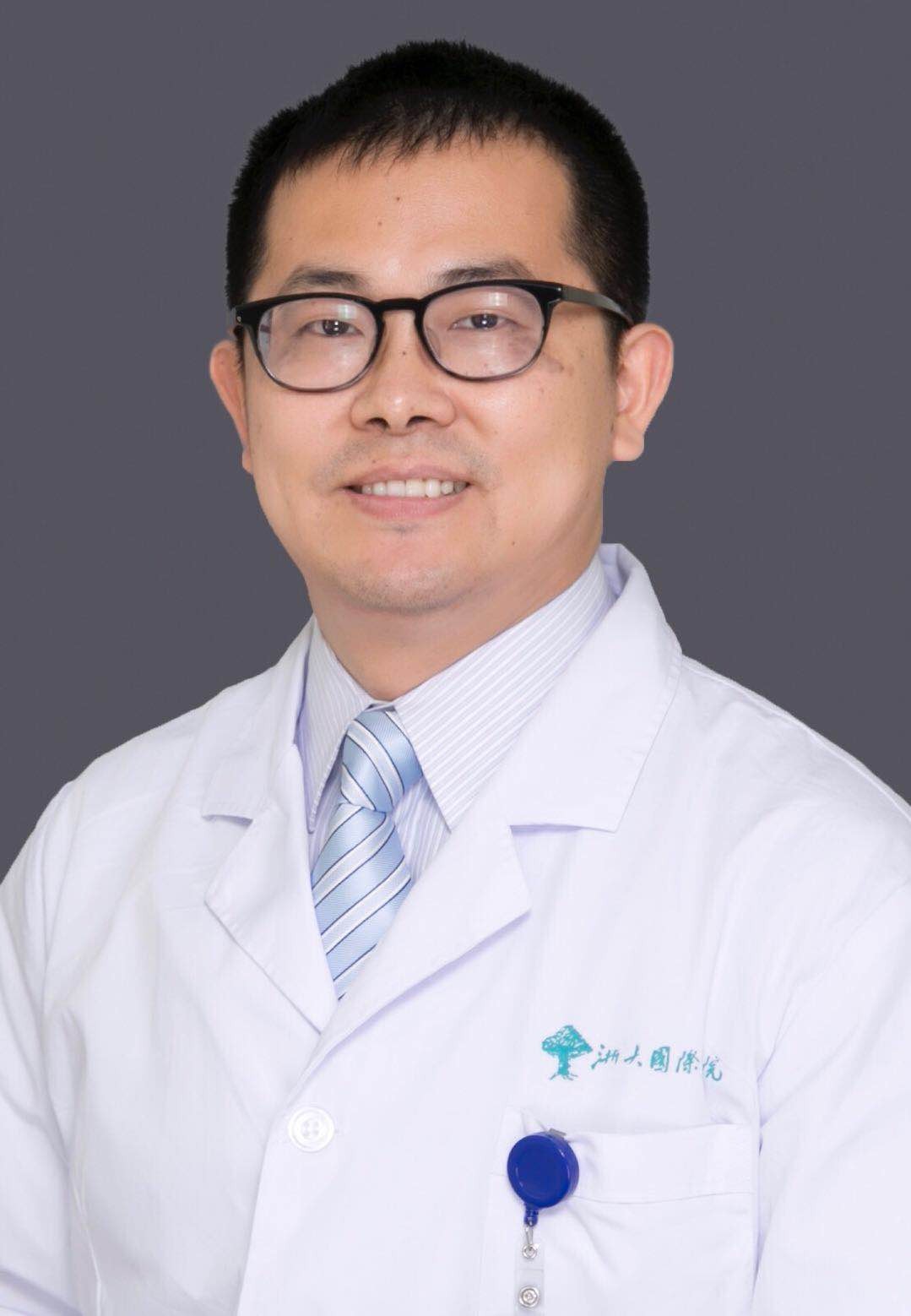
Introduction of the department
Establishment: Founded in 2015, this is a key specialty department of the hospital. It currently has 31 medical professionals, including 7 chief physicians and 5 attending physicians, and operates with 50 inpatient beds.
Core Focus: The department includes subspecialties in trauma orthopedics, sports medicine surgery, hand surgery, foot and ankle surgery, as well as joint and spinal surgery.
Scope of Diagnosis and Treatment
1. Trauma Orthopedics: Involved in emergency services for Hangzhou's 120 emergency medical system, utilizing MIOP minimally invasive techniques for the treatment of common fractures of the limbs, pelvis, and spine. Provides rescue and treatment for severe trauma and multiple injuries, as well as treatment for traumatic chronic osteomyelitis, bone defects, delayed fracture healing, and non-union fractures.
2. Spinal Surgery: Extensive experience in treating lumbar spinal stenosis, spondylolisthesis, and other lumbar and leg pain disorders caused by spinal degeneration. The department is widely praised for using minimally invasive endoscopic spinal systems to treat common disc herniations. Equipped with the iMDT network system for precise treatment of spinal tumors, idiopathic scoliosis, and other challenging spinal conditions.
3. Joint Orthopedic Surgery: Focuses on the preservation of joint function, artificial joint replacement, and revision surgeries for hip, knee, elbow, and shoulder joints affected by deformities or degenerative changes. Advanced techniques, including biological agents, platelet-rich activation factors, and autologous stem cells, are used to effectively treat and prevent the progression of arthritis.
4. Sports Medicine: Led by a team of experts with rich experience in treating sports injuries, using minimally invasive arthroscopy to treat shoulder impingement syndrome, rotator cuff tears, multidirectional instability of the shoulder, labral tears, as well as knee meniscus tears, and injuries to the anterior and posterior cruciate ligaments and collateral ligaments.
5. Bone Tumors: Specializes in the diagnosis and treatment of benign and malignant bone tumors in the limbs and spine. The department strives to preserve the functional stability of the affected limb while improving the 5-year survival rate. Custom joint tumor prostheses are used to treat tumor-induced bone defects, along with minimally invasive thoracoscopic surgery for thoracic vertebral metastases. The department also utilizes genetic testing, targeted therapy, and combined chemotherapy for comprehensive cancer treatment, significantly improving the patient's quality of life.
6. Hand and Foot Microsurgery: Emergency trauma repair and treatment of hand diseases, including thumb (hand) reconstruction, flap repair and reconstruction of skin, soft tissue, and superficial organ defects across the body, as well as free vascularized flaps and muscle (bone) flaps for limb and torso repair. Specializes in the repair of chronic wounds such as pressure ulcers and diabetic foot, congenital hand deformity corrections, burn and scald deformity correction, and functional reconstruction of hand and foot injuries. Also performs peripheral nerve decompression surgeries.
7. Osteoporosis Specialty: Specializes in the diagnosis and treatment of primary osteoporosis, parathyroid diseases, and vitamin D deficiency-induced osteoporosis. In addition to conventional osteoporosis drug treatments, minimally invasive interventional techniques such as vertebroplasty (PVP) and balloon kyphoplasty (PKP) are used for osteoporotic vertebral compression fractures. The department also collaborates closely with nephrology, thyroid surgery, and organ transplantation departments to treat bone diseases and calcium-phosphate metabolism disorders in patients with chronic kidney disease or post-organ transplant, achieving remarkable results.