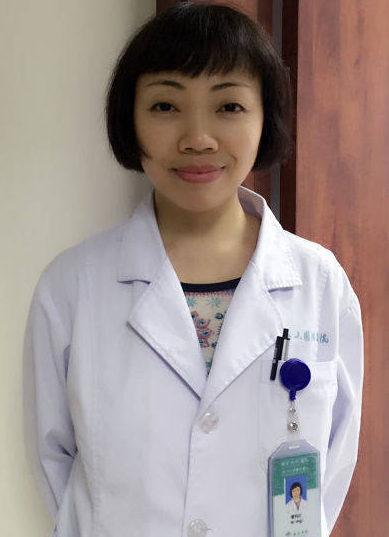
Introduction of the department
Since its establishment in March 2016, the Department of Hematology at Shulan (Hangzhou) Hospital has grown into a key specialty of the hospital, now comprising a professional team of 19 medical professionals, including 3 chief physicians and 7 attending physicians, and operates with 46 inpatient beds. By integrating clinical care, research, and advanced technology, we are committed to providing high-quality diagnostic and treatment services to our patients.
The department specializes in the diagnosis and treatment of malignant hematologic tumors (such as leukemia, lymphoma, and multiple myeloma), coagulation disorders, and various types of anemia, with a particular focus on the precise treatment of thrombocytopenia. Supported by a robust multidisciplinary team, we strive to identify the underlying causes of these conditions—whether immune-related, genetic, or tumor-induced—and provide personalized treatment plans ranging from routine care to cutting-edge therapies, including new TPO-RA medications and immunomodulatory treatments.
Building on this foundation, we focus on hematopoietic stem cell transplantation and cellular immunotherapies (such as CAR-T) as core technological pillars. We have established a comprehensive healthcare service system covering the entire process of "prevention - diagnosis - treatment - rehabilitation," with the goal of offering hope for life to all patients with hematologic diseases.
Scope of Diagnosis and Treatment
(1) Comprehensive Disease Diagnosis and Treatment Coverage:
A) Malignant Hematologic Tumors: Leukemia, lymphoma, multiple myeloma, myelodysplastic syndromes (MDS), and more.
B) Benign Hematologic Disorders: Various types of anemia (such as iron deficiency anemia, aplastic anemia), thrombocytopenia, leukopenia, hemorrhagic disorders, and others.
C) Complex Hematologic Conditions: In-depth diagnostic and personalized treatment for diseases such as Castleman disease, POEMS syndrome, adult-onset Still's disease, and undiagnosed fevers and lymphadenopathy.
(2) Leading Core Technology Platforms:
The department has made significant progress in hematopoietic stem cell transplantation, establishing a comprehensive transplantation technology system. We provide curative treatment options for patients with varying clinical needs, including:
A) Related and Unrelated Allogeneic Transplantation
B) HLA Haploidentical Transplantation (effectively solving the donor sourcing issue for almost all patients)
C) Reduced-Intensity Conditioning Transplantation (offering transplant opportunities for elderly or frail patients)
D) Autologous Hematopoietic Stem Cell Transplantation