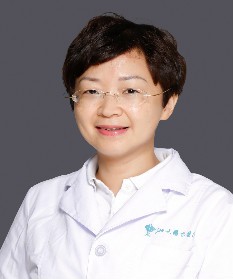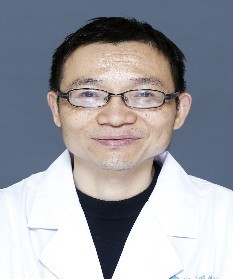
Introduction of the department
Establishment: Founded in November 2017, the department is a key specialty of the hospital. It currently has 14 medical professionals, including 1 chief physician and 3 attending physicians. The department has 20 inpatient beds.
Core Focus: Specializing in the prevention, diagnosis, treatment, and rehabilitation of endocrine and metabolic disorders, the department offers comprehensive medical services, covering the entire process from prevention and diagnosis to treatment and rehabilitation.
Scope of Diagnosis and Treatment
1. Common and Frequently Occurring Diseases: Type 2 diabetes and diabetic nephropathy, diabetic retinopathy, diabetic peripheral neuropathy, and other complications; hyperthyroidism, hypothyroidism, thyroiditis (including Hashimoto's thyroiditis, subacute thyroiditis, etc.), thyroid nodules; obesity, hyperlipidemia, hyperuricemia, and gout; polycystic ovary syndrome (PCOS), menopause syndrome.
2. Complex and Severe Conditions: Type 1 diabetes, special types of diabetes (e.g., MODY, mitochondrial diabetes); thyroid cancer (especially post-surgical follow-up and precision management of differentiated thyroid cancer); pituitary tumors (e.g., growth hormone-secreting tumors, prolactinomas); Cushing's syndrome, primary hyperaldosteronism, adrenal insufficiency; endocrine emergencies such as diabetic ketoacidosis, hyperosmolar coma, thyroid storm; rare endocrine diseases (e.g., Turner syndrome, Klinefelter syndrome, parathyroid disorders).
3. Specialized Services: A dedicated weight management clinic that provides comprehensive services for obesity caused by various factors. Through professional evaluation, the clinic identifies the type and causes of obesity (e.g., simple obesity, endocrine-related obesity), then develops a personalized weight management plan that includes dietary management (individualized diet planning, nutritional guidance), exercise interventions (tailored exercise plans based on the patient’s physical condition), behavioral correction (helping patients develop healthy lifestyle habits), and, when necessary, pharmacological assistance. Long-term follow-up ensures the sustainability and safety of the weight loss outcomes.