Introduction of the department
The pathology diagnosis center began preparations in 2014, and was formally established on December 6, 2015, and started business externally. At present, the total area available for business development is more than 4,000 square meters, which is 4 times the area of the pathology department of ordinary tertiary hospitals. It has hosted the pathology department of Shulan (Hangzhou) Hospital and the pathology department of Shaoxing Paojiang Hospital.
Scope of Diagnosis and Treatment
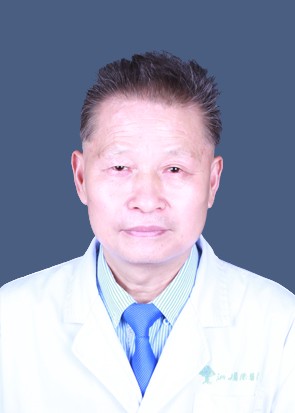
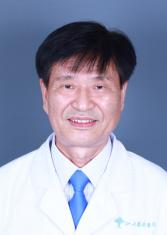
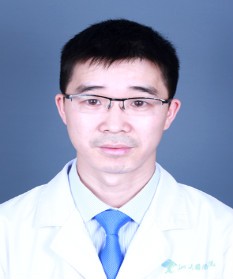
The Pathology Diagnosis Center has gathered a group of well-known pathologists at home and abroad to develop pathology diagnosis, scientific research and professional technical training, forming a pathology team with a combination of old, middle and young people, comprehensive academic knowledge, and strong technical strength, combining molecular pathology and immunology. Advanced auxiliary diagnostic technologies such as chemical, immunofluorescence and special staining provide clinicians and patients with efficient and accurate pathological diagnosis and consulting services.
On the basis of a three-level pathological diagnosis and consultation platform composed of "Basic Pathological Diagnosis Center"-"Advanced Pathological Diagnosis Center"-"Advanced Pathological Consultant Group", the center has built up a three-level pathological diagnosis and consultation platform with the help of Hangzhou Tongchuang pathologists and scientific research advantages. Establish a remote pathological diagnosis platform, hire experts for regular guidance, consultations, and lectures, regular subject exchanges, holding academic seminars, and overseas research and training, etc., so as to help Xiacheng's pathology discipline to enter the fast lane of sustainable development and become the province's own A pathological center with comparable vision and level.
Build a domestic remote pathology consultation platform
On the basis of the internal three-level consultation system, the remote pathology consultation platform is used to realize domestic and even foreign pathology consultations.
(3) System construction
The pathology diagnosis center is in accordance with the international JCI standards, the American Association of Pathologists CAP and CNAS 15189 quality management system construction, through the system related content publicity and implementation, mobilization of all departments to participate, writing system documents, system formal operation, internal audit, management review, external Audit and other steps, establish a set of quality management system that can continuously improve and self-improve the process, and finally realize the comprehensive integration with the group's quality management system.
(4) Platform features
The pathological diagnosis center adopts the model of "one center + multiple sub-centers in unified operation". One center is a training, technology, quality control, scientific research, consultation, and management center established by the resources of Shulan Medical Headquarters; the sub-center is a regional pathological diagnosis center established by the pathology department of each hospital. The centers are interconnected through information systems.
(5) Equipment situation
The Pathology Diagnosis Department not only has a first-class working environment, but also introduces world-class equipment, builds a high-standard network remote service and an efficient and fast medical logistics team to achieve intensification, specialization, and informationization of pathological diagnosis.
The center has a full set of German Leica equipment: Leica Autosainer XL automatic staining machine, Leica ASP300S automatic dehydration machine, Leica CM1950 automatic cryostat, Leica EG1150 embedding machine, Leica RM2235 microtome, Leica DM2500 Advanced equipment such as ABI7500 molecular pathology amplification instrument, FISH fluorescence hybridization instrument, DM3000 Leica fluorescence microscope, German Definiens digital pathology scanner.
(6) Carry out the project
In addition to routine projects including routine histopathological diagnosis, intraoperative frozen rapid diagnosis, cytological pathological diagnosis, immunohistochemistry technology, special staining technology, remote pathological consultation, etc., the center has also carried out remote (international) pathological consultation. , Genetic testing, immunofluorescence in situ hybridization, evaluation of donor liver transplantation, liver puncture, kidney puncture, bone marrow puncture and other special inspection projects. Currently, it is one of the pathology departments with the most complete types of projects in Zhejiang Province.
Featured projects include intraoperative freezing, genetic testing, online consultation, liver transplant evaluation, liver and kidney puncture, bone marrow biopsy, etc.
Intraoperative freezing
Intraoperative freezing examinations escort hospital operations, and its importance is extraordinary. At present, there are few third-party laboratories that carry out intraoperative freezing examinations. The Department of Pathology Diagnosis is based on talent advantages and innovative operation mode (basic hospitals use biopsy Scan + Internet model), this business was launched at the beginning of the business, which is unmatched by competitors.
Genetic Testing
The advent of the era of precision medicine has provided unlimited development space for genetic testing. At present, ultra-early tumor screening (ctDNA), precise tumor medication, non-invasive prenatal screening and genome-wide genetic testing have been carried out. In the past six months of operation, genetic testing revenue has accounted for more than one-third of the total revenue of the pathology department.
Online consultation
The development of the Internet and the advancement of slice scanning equipment have provided support for remote pathological network consultations. At present, we have established two domestic and international two-way network consultation mechanisms. One is to provide consultation services from the most authoritative experts for patients in need, and the other is to receive consultation needs from all over the world.
(7) Cooperation and exchange
The pathology diagnosis center has established a good relationship with the Department of Pathology, Halton General Hospital, Ontario, Canada, the Department of Pathology, Mount Sinai Hospital, University of Toronto School of Medicine, the Department of Pathology, The First Affiliated Hospital of Zhejiang University, the Department of Pathology, Run Run Run Shaw Hospital, and the Department of Pathology, Zhejiang Provincial People's Hospital. To establish a long-term cooperative relationship through joint medical research and clinical medical care, and establish a remote pathological diagnosis platform and a tissue sample library. At the same time, the Pathological Diagnosis Department will continue to strengthen the construction of the talent team and the introduction of high-level talents, and is committed to building a well-known comprehensive pathological diagnosis center in the region and even the whole country.
(8) Teaching and learning
Utilize the scientific research platform and resources of Shulan Medical Group to provide assistance in the design of scientific research projects of the department and the publication of papers, co-organize academic conferences, etc., improve the scientific research and academic level of the hospital, and create an integrated area with industry standards, production, teaching, and research. There is a certain influential pathology laboratory.
Establish long-term strategic partnerships with relevant domestic pathology organizations and institutions, such as domestic and foreign resources to help the hospital introduce corresponding expert consultants, and provide pathology staff with domestic learning and exchange training opportunities, and comprehensively improve the construction and technical level of the pathology talent echelon of the hospital , So that the diagnosis, scientific research and teaching of the pathology department reach the advanced level of the region.